Stop Foreclosure
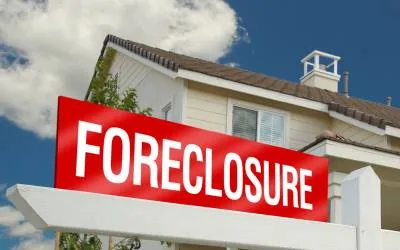
We Stop Mortgage Foreclosures
If you are behind on your mortgage and the lender is threatening to foreclose, you can use a Chapter 13 bankruptcy to stop the mortgage company from foreclosing and force them to accept your delinquent payments over a lengthy period in order to get current. (You still have to make all of your regular payments.)
While negotiating a loan modification or refinance might work to keep you in your house, we have found that in many cases mortgage companies put you “through the ringer” — spending weeks and months demanding form after form (sometimes the same form three, four, or five times) only to turn you down a day before, or even after, they schedule a foreclosure sale. In the meantime they keep charging late fees and high interest. Then, after turning you down, they leave you scrambling with no place to turn.
If you want to avoid this scenario, there is only one way that is legally guaranteed to stop a scheduled foreclosure sale — a Chapter 13 bankruptcy. However, to get the result you're looking for, you must file your Chapter 13 case before the sheriff's sale. Timing is essential.
Once you file a Chapter 13, you can force your mortgage company to accept your past-due payments in small increments over a period of up to five years — as long as you continue to make your regular payments. So if you fell behind because of an emergency that temporarily disrupted your cash flow (such as a layoff, a medical emergency, or a short-term job loss), a Chapter 13 can give you the time you need to get back on your feet and keep your home. At the same time, you'll get the other benefits of a Chapter 13, including getting rid of most, if not all, of your credit card debt.
We Stop Property Tax Foreclosures
Is the government threatening to take your house or real property through a property tax foreclosure for unpaid property taxes? If so, we can help.
In Michigan, there is a three-year process for real property tax forfeitures and foreclosures. The general timeline works like this:
- Depending on the municipality, winter property taxes are usually billed around December 1 (due in February), and summer property taxes are usually billed around July 1 (due in August). If unpaid, the local government typically charges 1% interest per month, and the taxes can be paid to the local government through the end of February of the following year.
- Beginning March 1 of the year after the taxes are billed, the taxes become “delinquent.” A 4% administrative fee is added (plus interest at 1% per month), and the taxes can only be paid to the county where the property is located.
- If still unpaid by the following March (the second year after billing), the property is “forfeited” to the County Treasurer and the monthly interest rate increases from 1% to 1.5%.
- If still unpaid by the following February/March (the third year after billing), the Circuit Court holds a hearing and a judge signs a tax foreclosure order. The property owner then has until March 31 to redeem the property by repaying all back taxes, interest, and fees. If the amount due is not paid by that deadline, the owner loses all interest in the property and can be evicted.
Bottom line: the redemption deadline for delinquent property taxes generally falls on March 31 of the third year after the taxes were billed. Because the exact dates depend on which tax year you owe, contact us right away so we can confirm your specific deadline — before it passes.
How to Avoid Losing Your Property
If you don't have the money to pay all of your delinquent property taxes and save your home from a tax foreclosure, there is only one way that is legally guaranteed to prevent it — a Chapter 13 bankruptcy. To get the result you're looking for, you must file your Chapter 13 case before you lose the property. Timing is essential.
Once you file a Chapter 13, you can force the government to accept your past-due tax payments in small increments over a three-to-five-year period — as long as you continue to make your regular payments. At the same time, you'll get the other benefits of a Chapter 13, including getting rid of most, if not all, of your credit card debt and possibly saving money on your car payment.
If you live in the Metro Detroit area and want to avoid losing your home or property, call us today at 248-417-9800 or contact us online to set up a free, no-obligation, confidential consultation. Our phone lines are available 24 hours a day.
Pursuant to 11 U.S.C. § 528 we are required to state that we are a debt relief agency. We help people file for bankruptcy relief under the Bankruptcy Code.
Get Help Now — Free Confidential Consultation
Behind on your mortgage or property taxes? Fill out the form below and an attorney will reach out. We do our best to call you back in under 15 minutes during business hours.